

In accordance with Article 13 of the Agreement on Common Principles and Rules of Technical Regulation in the Republic of Belarus, the Republic of Kazakhstan and the Russian Federation of 18 November 2010, the Commission of the Customs Union (hereinafter referred to as the Commission) has decided:
1. To adopt the Technical Regulation of the Customs Union "On the Safety of Packaging" (TR CU 005/2011) (attached).
2. Ceased to be in force by Decision of the Board of the Eurasian Economic Commission of 20.01.2020 No. 12 (enters into force on 01.07.2020).3. To establish that:
3.1. the Technical Regulation of the Customs Union "On the Safety of Packaging" (hereinafter referred to as the Technical Regulation) enters into force on 1 July 2012;
3.2. documents on the assessment (proof) of conformity with mandatory requirements established by the legislation of the Customs Union member states or by regulatory legal acts of the Customs Union, issued or adopted in respect of products that are the object of technical regulation of the Technical Regulation (hereinafter referred to as the products) before the date of entry into force of the Technical Regulation, shall remain valid until the end of their period of validity, but not later than 15 February 2014, with the exception of such documents issued or adopted before the date of official publication of this Decision, which shall remain valid until the end of their period of validity, and also with the exception of such documents issued or adopted before the date of entry into force of the Technical Regulation in respect of products intended for packaging milk and dairy products, meat and meat products, which shall remain valid until the end of their period of validity, but not later than 31 December 2015.
From the date of entry into force of the Technical Regulation, the issuance or adoption of documents on the assessment (proof) of conformity of products with mandatory requirements previously established by the legislation of the Customs Union member states or by regulatory legal acts of the Customs Union shall not be permitted;
Footnote. Clause 3.2 as amended by Decision of the Eurasian Economic Commission of 25.02.2014 No. 23 (enters into force upon expiry of 30 calendar days from the date of its official publication).3.3. until 15 February 2014, the manufacture and placing on the market of products in accordance with mandatory requirements previously established by the legislation of the Customs Union member states or by regulatory legal acts of the Customs Union shall be permitted, provided that documents on the assessment (proof) of conformity of the products with the said mandatory requirements, issued or adopted before the date of entry into force of the Technical Regulation, are available, with the exception of products intended for packaging milk and dairy products, meat and meat products, the manufacture and placing on the market of which shall be permitted until 31 December 2015 in accordance with mandatory requirements previously established by the legislation of the Customs Union member states or by regulatory legal acts of the Customs Union, provided that documents on the assessment (proof) of conformity of the products with the said mandatory requirements, issued or adopted before the date of entry into force of the Technical Regulation, are available.
The said products shall be marked with the national mark of conformity (mark of circulation on the market) in accordance with the legislation of the Customs Union member states or with Decision of the Commission of 20 September 2010 No. 386.
Marking of such products with the single mark of circulation of products on the market of the Customs Union member states shall not be permitted;
Footnote. Clause 3.3 as amended by Decision of the Eurasian Economic Commission of 25.02.2014 No. 23 (enters into force upon expiry of 30 calendar days from the date of its official publication).3.3-1. until 1 January 2013, the manufacture and placing on the market in the customs territory of the Customs Union of products that, before the date of entry into force of the Technical Regulation, were not subject to mandatory assessment (proof) of conformity under the legislation of the Customs Union member states or regulatory legal acts of the Customs Union shall be permitted without documents on mandatory assessment (proof) of conformity and without marking with the national mark of conformity (mark of circulation on the market);
3.4. circulation of products placed on the market during the period of validity of the documents on the assessment (proof) of conformity specified in subclause 3.2 of this Decision, as well as of the products specified in subclause 3.3-1 of this Decision, shall be permitted during the shelf life (service life) of the products established in accordance with the legislation of the Customs Union member states.
Footnote. Clause 3 as amended by Decision of the Board of the Eurasian Economic Commission of 22.06.2012 No. 93 (enters into force upon expiry of 30 calendar days from the date of its official publication and applies to legal relations arising from 01.07.2012).4. The Secretariat of the Commission, jointly with the Parties, shall prepare a draft Plan of Measures necessary for the implementation of the Technical Regulation and, within three months from the date of entry into force of this Decision, shall ensure its submission to the Commission for approval in the established procedure.
5. The Belarusian Party, with the participation of the Parties, on the basis of monitoring the results of application of the standards, shall ensure the preparation of proposals for updating the Lists of Standards specified in clause 2 of this Decision and their submission to the Secretariat of the Commission at least once a year from the date of entry into force of the Technical Regulation for approval in the established procedure.
Members of the Commission of the Customs Union:
For the Republic |
For the Republic |
For the Russian |
S. Rumas | U. Shukeyev | I. Shuvalov |
APPROVED
by Decision of the Commission
of the Customs Union
of 16 August 2011 No. 769
Footnote. Throughout the text, the words "Customs Union" have been replaced accordingly by the word "Union" by Decision of the Council of the Eurasian Economic Commission of 06.09.2024 No. 61 (enters into force upon expiry of 180 calendar days from the date of its official publication).
TECHNICAL REGULATION
OF THE CUSTOMS UNION
TR CU 005/2011
On the Safety of Packaging
Contents
Preface
Article 1. Scope of Application
Article 2. Definitions
Article 3. Rules of Circulation on the Market
Article 4. Ensuring Compliance with Safety Requirements
Article 5. Safety Requirements
Article 6. Requirements for the Labelling of Packaging (Closures)
Article 7. Proof of Conformity
Article 8. Marking with the Single Mark of Circulation of Products on the Market of the Member States of the
Union
Article 9. Safeguard Clause
Annex 1 Sanitary and Hygienic Safety Indicators and Standards for Substances
Released from Packaging (Closures) in Contact with Food Products
Annex 2 List of Model Media Used in the Testing of Packaging (Closures)
Annex 3 Numerical and Alphabetical (Abbreviation) Designation of the Material from Which Packaging (Closures) Is Made
Annex 4 Pictograms and Symbols Applied to the Labelling of Packaging (Closures)
ON THE SAFETY OF PACKAGING
TR CU 005/2011
Preface
Footnote. The Preface was deleted by Decision of the Council of the Eurasian Economic Commission of 06.09.2024 No. 61 (enters into force upon expiry of 180 calendar days from the date of its official publication).
Article 1. Field of Application
1. This Technical Regulation applies to all types of packaging, including closures, in accordance with Annex 5 (hereinafter – packaging (closures)), which are finished products placed on the market in the customs territory of the Eurasian Economic Union (hereinafter – the Union), irrespective of the country of origin.
2. All types of packaging (closures) manufactured by the manufacturer of the products being packaged, in the course of production of such products placed on the market in the customs territory of the Union, are subject only to the requirements of Articles 2, 4, 5, paragraphs 1 and 2 of Article 6 in respect of information on the possibility of disposal of used packaging (closures) with indication of the numerical code and (or) letter designation (abbreviation) of the material from which the packaging (closures) is manufactured, and Article 9 of this Technical Regulation.
3. This Technical Regulation establishes requirements for packaging (closures), mandatory for application and compliance in the customs territory of the Union, and related requirements for the processes of storage, transportation and disposal, for the purposes of protecting human life and health, property, the environment, the life or health of animals and plants, and of preventing actions that mislead consumers of packaging (closures) regarding its purpose and safety.
4. According to the materials used, packaging is subdivided into the following types:
metal;
polymer;
paper and cardboard;
glass;
wooden;
made of combined materials;
made of textile materials;
ceramic.
5. According to the materials used, closures are subdivided into: metal, cork, polymer, combined and cardboard closures.
6. This Technical Regulation does not apply to packaging (closures) for medical devices, medicinal products, pharmaceutical products, tobacco products and dangerous goods, nor to cargo containers and pallets for the carriage of goods by road, rail, sea and air transport.
Footnote. Article 1 as amended by Decision of the Council of the Eurasian Economic Commission of 17.12.2012 No. 116 (enters into force upon expiry of 30 calendar days from the date of its official publication); of 18.10.2016 No. 96 (enters into force upon expiry of 6 months from the date of its official publication); of 06.09.2024 No. 61 (enters into force upon expiry of 180 calendar days from the date of its official publication).Article 2. Definitions
For the purposes of applying this Technical Regulation, the terms used are those established by the Protocol on Technical Regulation within the Eurasian Economic Union (Annex No. 9 to the Treaty on the Eurasian Economic Union of 29 May 2014) and by the standard conformity assessment schemes approved by Decision of the Council of the Eurasian Economic Commission of 18 April 2018 No. 44, as well as the following terms, which mean:
identification – the procedure of assigning packaging (closures) to the field of application of this Technical Regulation and of establishing the conformity of the actual characteristics of the packaging (closures) with the data contained in the technical documentation (including accompanying documents) for it;
combined material – a two-layer or multilayer material whose layers cannot be separated without loss of the functional or physical properties of such material;
marking of packaging (closures) – information in the form of signs, inscriptions, pictograms and symbols applied to the packaging (closures) and (or) accompanying documents to ensure identification and to inform consumers;
reusable packaging - packaging intended for repeated use;
model medium - a medium simulating the properties of food products;
market circulation - the processes of transfer of packaging (closures) from the manufacturer to the consumer (user) that the packaging (closures) undergoes after completion of its manufacture;
consumer packaging - packaging intended for the sale or primary packing of products sold to the end consumer;
intended use - use of packaging (closures) in accordance with its purpose established by the manufacturer;
accompanying documentation – documentation containing information about the products when they are placed on the market (documentation
on the quality and (or) quantity of products, settlement and comprehensive documentation);
storage life – the period during which a product, provided that the storage conditions established by the manufacturer (producer) are observed, complies with the requirements of this Technical Regulation;
type of packaging (closures) - a classification unit that defines packaging (a closure) by material and design;
representative sample - a sample of packaging (a closure) selected from a group of homogeneous products made of the same materials, by the same technology, of the same design and meeting the same safety requirements;
transport packaging - packaging intended for the storage and transportation of products in order to protect them from damage during movement and forming an independent transport unit;
closure - a product intended for closing packaging and preserving its contents;
packaging - a product used for holding, protecting, transporting, loading and unloading, delivering and storing raw materials and finished products;
packaging material - material intended for the manufacture of packaging.
Footnote. Article 2 as amended by Decisions of the Council of the Eurasian Economic Commission of 18.10.2016 No. 96 (enters into force upon expiry of 6 months from the date of its official publication); of 06.09.2024 No. 61 (enters into force upon expiry of 180 calendar days from the date of its official publication).Article 3. Rules of Circulation on the Union Market
1. Packaging (closures) is placed on the market in the customs territory of the Union if it complies with the requirements of this Technical Regulation and with the requirements of other Technical Regulations of the Union (Customs Union) that apply to it.
2. Packaging (closures) that conforms to the requirements of this Technical Regulation and to the requirements of other technical regulations of the Union (Customs Union) applicable to it, and that has undergone the conformity assessment procedure, shall bear the single mark of product circulation on the Union market.
Footnote. Article 3 as worded by Decision of the Council of the Eurasian Economic Commission No. 61 of 06.09.2024 (enters into force 180 calendar days after the date of its official publication).Article 4. Ensuring Conformity with Safety Requirements
1. Conformity of packaging (closures) with the requirements of this Technical Regulation is ensured by meeting its requirements directly, or by meeting the requirements of standards included in the list of international and regional (interstate) standards or, in their absence, national (state) standards, whose voluntary application ensures compliance with the requirements of this Technical Regulation.
2. Methods of studies (tests) and measurements of packaging (closures) are established in standards included in the list of international and regional (interstate) standards or, in their absence, national (state) standards containing rules and methods of studies (tests) and measurements, including sampling rules, that are necessary for applying and enforcing the requirements of this Technical Regulation and for carrying out conformity assessment of the objects of technical regulation.
Footnote. Article 4 as worded by Decision of the Council of the Eurasian Economic Commission No. 61 of 06.09.2024 (enters into force 180 calendar days after the date of its official publication).Article 5. Safety Requirements
1. Packaging (closures) and the processes of its storage, transportation and disposal shall conform to the safety requirements of this Article.
2. Packaging (closures) shall be designed and manufactured so that, when used as intended, the risk arising from the design of the packaging (closures) and the materials used is minimized.
3. The safety of packaging shall be ensured by a set of requirements for:
the materials used that come into contact with food products, with regard to sanitary and hygienic indicators;
mechanical indicators; chemical resistance;
leak-tightness.
4. Packaging that comes into contact with food products, including baby food, shall conform to the sanitary and hygienic indicators specified in Annexes 1 and 11.
The simulation conditions for sanitary and chemical studies of packaging are specified in Annex 2.
5. Packaging intended for packing food products, including baby food, perfumery and cosmetic products, toys and children's goods shall not release into the model media and air medium in contact with them any substances in quantities harmful to human health that exceed the maximum permissible quantities of migration of chemical substances.
6. In terms of mechanical indicators, chemical resistance and leak-tightness (where these are provided for by the design and intended purpose of the packaging), packaging shall conform to the safety requirements set out in paragraphs 6.1-6.8 of this Article:
6.1. metal packaging:
- shall ensure leak-tightness under internal excess air pressure;
- shall withstand a compressive load in the direction of the vertical axis of the packaging body;
- the internal coating shall be resistant to the packed product and (or) withstand sterilization or pasteurization in model media;
- shall be corrosion-resistant.
6.2. glass packaging:
- shall withstand internal hydrostatic pressure depending on its main parameters and intended purpose;
- shall withstand a temperature differential without breaking;
- shall withstand a compressive load in the direction of the vertical axis of the packaging body (except bottles);
- the water resistance of the glass shall be not lower than class 3/98 (for food products, including baby food, and perfumery and cosmetic products);
- shall be acid-resistant (for jars and bottles for preserving, food acids and baby food products);
- shall not be reused for contact with baby food.
6.3. polymer packaging:
- shall ensure leak-tightness;
- shall withstand the specified number of free-fall drops from a height without breaking (for closed articles, except perfumery and cosmetic products);
- shall withstand a compressive load in the direction of the vertical axis of the packaging body (except bags and sacks);
- shall not deform or crack when exposed to hot water (except bags and sacks);
- packaging handles shall be firmly attached to it and withstand the specified load;
- welded and adhesive seams of the packaging shall not let water through;
- shall withstand the specified static tensile load (for bags and sacks);
- the inner surface of the packaging shall be resistant to the packed product.
6.4. cardboard and paper packaging:
- shall withstand the specified number of free-fall drops and (or) impacts in a horizontal impact test;
- shall withstand a compressive load in the direction of the vertical axis of the packaging body and (or) ensure stacking strength;
- packaging handles (if any) shall be firmly attached to the packaging and shall withstand the specified load.
6.5. packaging made of combined materials:
- shall be leak-tight (if closures are present) or ensure the specified strength of the joining seams;
- the surface of the internal coating shall not be oxidized;
- the inner surface of the packaging shall be resistant to the packed product.
6.6. packaging made of textile materials:
- shall withstand the specified number of free-fall drops from a height without breaking;
- shall withstand the specified breaking load.
6.7. wooden packaging:
- shall withstand the specified number of free-fall drops from a height without breaking;
- shall withstand the specified number of impacts on horizontal or inclined planes;
- shall withstand a compressive load in the direction of the vertical axis of the packaging body;
- the moisture content of the wood shall conform to the specified value.
6.8. ceramic packaging:
- shall be watertight;
- shall be leak-tight when closed.
7. The safety of closures shall be ensured by a set of requirements for:
the materials used that come into contact with food products, with respect to sanitary and hygienic indicators;
tightness;
chemical resistance;
safe opening;
physical and mechanical indicators.
8. Closures that come into contact with food products, including baby food, shall comply with the sanitary and hygienic indicators specified in Annex 1.
The simulation conditions for sanitary and chemical tests of closures are specified in Annex 2.
Closures that come into contact with food products, including baby food, and with perfumery and cosmetic products shall not release into the model media in contact with them any substances in quantities harmful to human health that exceed the permissible migration quantities of chemical substances.
9. In terms of physical and mechanical indicators and chemical resistance, closures shall comply with the safety requirements set out in items 9.1-9.4 of this Article:
9.1. metal closures:
shall ensure the tightness of the packaging (except for caps for perfumery and cosmetic products, muselets, clips);
preserving lids shall be resistant to hot processing;
the opening torque of screw closures shall comply with the established requirements;
the adhesive seam of crimp caps and roll-on caps shall be strong;
- crown corks shall be corrosion-resistant;
shall be corrosion-resistant;
the paint and varnish coating of the inner surface of the lid and of the sealing gasket shall be resistant to model media during pasteurization and sterilization.
9.2. polymer closures:
- shall ensure the tightness of the packaging (except for heat-shrink caps, roll-on caps, valves, dispensing restrictors, pourers, sealing gaskets, and covering lids) under the established operating conditions;
- the opening torque of screw lids and caps shall comply with the established requirements;
- closures intended for sealing sparkling (champagne) and carbonated wines shall withstand internal pressure;
- sealing gaskets shall not delaminate;
- the amount of polymer dust shall not exceed the established level;
- preserving lids shall be resistant to hot processing;
- preserving lids shall be resistant to acid solutions.
9.3. cork closures:
- shall ensure the tightness of the packaging;
- the moisture content of stoppers and sealing gaskets shall comply with the established requirements;
- the torsional strength of agglomerated and composite stoppers shall comply with the established requirements;
- composite stoppers shall withstand boiling in water without breaking or cracking;
- the capillarity of the side surface shall comply with the established requirements;
- the amount of cork dust from natural, colmated, agglomerated and composite stoppers shall not exceed the established level.
9.4. cardboard closures:
- shall be resistant to model media;
- shall not delaminate into their components.
9.5 combined closures:
- the adhesive seam of heat-shrink caps and roll-on caps shall be strong;
- sealing gaskets shall not delaminate.
10. Test reports confirming that the types of packaging (closures) manufactured by the producer of the packaged products in the course of manufacturing such products comply with the requirements of items 1-9 of this Article shall be included in the set of evidentiary materials compiled during the proof of conformity of the packaged products.
11. Requirements for the processes of market circulation of packaging (closures) (storage, transportation, disposal):
11.1 packaging (closures) shall be stored in accordance with the requirements of regulatory and (or) technical documents for the specific types of packaging (closures);
11.2 packaging (closures) shall be transported by all modes of transport in accordance with the rules for the carriage of goods;
11.3 for the purposes of resource conservation and prevention of environmental pollution, used packaging (closures) shall be disposed of in the manner established by the legislation of the Union Member State;
Footnote. Article 5 as amended by Decision of the Council of the Eurasian Economic Commission No. 35 of 15.06.2012 (enters into force upon expiry of 10 calendar days from the date of its official publication); No. 96 of 18.10.2016 (enters into force upon expiry of 6 months from the date of its official publication).Article 6. Requirements for the Marking of Packaging (Closures)
1. The marking shall contain the information necessary to identify the material from which the packaging (closures) is made, in order to facilitate the collection and reuse of the packaging. The marking shall be durable, abrasion-resistant and long-lasting. The marking necessary to identify the material from which the packaging (closures) is made shall be applied directly to the packaging and (or) the accompanying documentation. If the packaging does not bear the relevant marking, the manufacturer of the product who packs that product into the packaging shall apply to the tag (label) the marking necessary to identify the material from which the packaging is made, in accordance with the accompanying documentation for the packaging. Where technologically and structurally feasible, as determined by the manufacturer, the marking shall be applied directly to the closures; otherwise, the relevant information shall be given in the accompanying documentation for the closures.
2. The marking shall contain the numerical code and (or) the letter designation (abbreviation) of the material from which the packaging (closures) is made, in accordance with Annex 3, and shall contain symbols in accordance with Annex 4: Figure 1 (packaging (closures) intended for contact with food products), Figure 2 (possibility of disposal of used packaging (closures) – Möbius loop).
3. Information on the packaging (closures) shall be given in the accompanying documents and shall contain:
the name of the packaging (closures); information on the purpose of the packaging (closures); storage and transportation conditions, possibility of disposal; method of treatment (for reusable packaging);
name and location of the manufacturer (producer), and information for contacting it;
name and location of the person authorized by the manufacturer and of the importer, and information for contacting them (if any);
date of manufacture (month, year);
storage life (if established by the manufacturer (producer).
4. The information shall be provided in Russian and in the state language(s) of the Member State of the Union where the relevant requirements are established in the legislation of the Member State(s) of the Union.
Footnote. Article 6 as amended by Decision of the Council of the Eurasian Economic Commission No. 96 of 18.10.2016 (enters into force upon expiry of 6 months from the date of its official publication).Article 7. Conformity Assessment
1. Before being placed on the market in the customs territory of the Union, packaging (closures) shall undergo conformity assessment against the requirements of this Technical Regulation in the form of proof of conformity.
Proof of conformity of packaging (closures) with the requirements of this Technical Regulation shall be carried out in accordance with the standard conformity assessment schemes, taking into account the specifics established by this Technical Regulation.
2. Proof of conformity of packaging (closures) shall be carried out in the form of declaration of conformity under one of the following schemes:
2.1. schemes 3д, 4д, 6д – for packaging (closures) intended for packing:
food products, including baby food;
perfumery and cosmetic products, having direct contact with the packaged product;
toys and children's products having direct contact with a child's mouth;
2.2. schemes 1д and 2д – for packaging (closures) not specified in subparagraph 2.1 of this paragraph.
For packaging (closures) made of different materials, in different standard sizes or with different thicknesses of the materials used, tests may be carried out on type samples, which shall take into account the specific features of the packaging (closure) type.
Used packaging (closures) shall not be subject to proof of conformity with the requirements of this Technical Regulation.
3. In declaring conformity with the requirements of this Technical Regulation, the applicant shall be a legal entity or a natural person acting as an individual entrepreneur, registered in the territory of a Member State of the Union in accordance with its legislation, who is:
for serially produced packaging (closures) – the manufacturer (the person authorized by the manufacturer);
for a batch of packaging (closures) – the manufacturer (the person authorized by the manufacturer) or the seller (importer).
4. The set of documents and information that served as the basis for adopting the declaration of conformity shall, depending on the declaration of conformity scheme applied by the applicant, include:
a) for packaging (closures) in serial production (schemes 1д, 3д, 6д):
a copy of the technical documentation (design and (or) process documentation and (or) technical specifications (descriptions)) for the packaging (closures), containing the main parameters and characteristics of the packaging (closures) as well as its description, for the purpose of assessing the conformity of the packaging (closures) with the requirements of this Technical Regulation;
a list of standards (indicating their designations and titles, as well as sections (paragraphs, subparagraphs) where compliance with the requirements of this Technical Regulation can be ensured by applying individual sections (paragraphs, subparagraphs) of these standards rather than the standards as a whole) included in the list of standards referred to in paragraph 1 of Article 4 of this Technical Regulation (if applied by the applicant);
a description of the technical solutions adopted and of the results of the risk assessment confirming fulfilment of the requirements of this technical regulation, if the standards included in the list of standards referred to in paragraph 1 of Article 4 of this technical regulation have not been applied or are not available (where necessary);
a copy of the contract with the manufacturer (including a foreign manufacturer) providing for actions to be performed on behalf of the manufacturer in providing Proof of Conformity with the requirements of this technical regulation and in the placing of packaging (closures) on the market in the customs territory of the Union, as well as for liability for non-conformity of packaging (closures) with the said requirements (for a person authorized by the manufacturer);
a copy of the certificate of conformity of the management system covering the manufacture of packaging (closures), confirming the conformity of the management system implemented by the manufacturer with the requirements of the relevant standard and issued by a management system certification body (for scheme 6д);
information on the registration or record (individual, identification) number of the applicant assigned upon state registration of a legal entity or of a natural person as an individual entrepreneur in accordance with the legislation of the Member States of the Union;
other documents chosen by the applicant that served as the basis for adopting the declaration of conformity (if any);
b) for a batch of packaging (closures) (schemes 2д and 4д):
a copy of the contract (supply agreement) and the shipping documents identifying the batch of packaging (closures), including its size;
a list of standards (indicating their designations and titles, as well as sections (paragraphs, subparagraphs), if compliance with the requirements of this technical regulation can be ensured by applying individual sections (paragraphs, subparagraphs) of these standards rather than the standards as a whole) included in the list of standards referred to in paragraph 1 of Article 4 of this technical regulation (if applied by the applicant);
information on the registration or record (individual, identification) number of the applicant assigned upon state registration of a legal entity or of a natural person as an individual entrepreneur in accordance with the legislation of the Member States of the Union;
other documents chosen by the applicant that served as the basis for adopting the declaration of conformity (if any).
5. The set of documents and information referred to in paragraph 4 of this Article shall be compiled on paper or electronic media.
6. Depending on the conformity declaration scheme applied, the manufacturer:
performs production control and takes all necessary measures to ensure that the production process is stable and ensures the conformity of the manufactured packaging (closures) with the requirements of this technical regulation (schemes 1д, 3д);
performs production control and takes all necessary measures to ensure the stable functioning of the implemented and certified management system and of the production conditions for manufacturing packaging (closures) that conforms to the requirements of this technical regulation (scheme 6д).
7. Depending on the conformity declaration scheme applied, the applicant:
compiles the set of documents and information referred to in paragraph 4 of this Article and analyses them;
ensures that identification and sampling (of typical samples) of packaging (closures) are carried out;
ensures that studies (tests) and measurements of the selected samples (typical samples) of packaging (closures) are carried out in an accredited testing laboratory (centre) (for schemes 1д, 2д, 3д, 4д and 6д) or in the manufacturer's own testing laboratory (for schemes 1д and 2д), at the applicant's choice;
adopts the declaration of conformity of packaging (closures) with the requirements of this technical regulation in accordance with the uniform form and rules approved by Decision of the Board of the Eurasian Economic Commission No. 293 of 25 December 2012, and registers it (provided that no more than 1 year has elapsed since the approval of the report (reports) of studies (tests) and measurements of packaging (closures));
ensures the marking of packaging (closures) with the single mark of product circulation on the market of the Union in accordance with the Procedure for Applying the Single Mark of Product Circulation on the Market of the Eurasian Economic Union, approved by Decision of the Customs Union Commission No. 711 of 15 July 2011, and Article 8 of this technical regulation;
compiles and keeps a set of evidentiary materials confirming the conformity of packaging (closures) with the requirements of this technical regulation, which includes:
the documents and information referred to in paragraph 4 of this Article;
reports of studies (tests) and measurements of packaging (closures);
the registered declaration of conformity.
8. The declaration of conformity is drawn up for a specific name of packaging (closures) or for a group of packaging (closures) made of the same materials, having the same design and meeting the same safety requirements.
9. Registration of the declaration of conformity is carried out in accordance with the Procedure for Registration, Suspension, Reinstatement and Termination of Declarations of Conformity of Products with the Requirements of the Technical Regulations of the Eurasian Economic Union, approved by Decision of the Board of the Eurasian Economic Commission No. 41 of 20 March 2018.
10. The validity period of the declaration of conformity:
for serially produced packaging (closures) is not more than 5 years;
for a batch of packaging (closures) is not established.
A declaration of conformity for a batch of packaging (closures) applies only to the packaging (closures) belonging to that specific batch.
11. At the applicant's request, declaration of conformity under schemes 1д and 2д may be replaced by declaration of conformity under schemes 3д, 4д, 6д.
12. The period for which the applicant keeps the declaration of conformity and the set of evidentiary materials is:
for serially produced packaging (closures) – not less than 10 years from the date on which such packaging (closures) is removed from production (production is discontinued);
for a batch of packaging (closures) – not less than 10 years from the date of sale of the last item of the batch.
Storage of the application and of copies of the registered declaration of conformity and the set of evidentiary materials in electronic form is permitted in accordance with the legislation of the Member States of the Union.
13. The period of storage of copies of the declaration of conformity and the set of evidentiary materials by the authorized body (certification body) shall be:
not less than 5 years from the date of expiry of the validity period of the declaration of conformity, if its validity period is limited;
not less than 10 years from the date of registration of the declaration of conformity, if its validity period is not limited.
Storage of the application and of copies of the registered declaration of conformity and the set of evidentiary materials in electronic form is permitted in accordance with the legislation of the Member States of the Union.
Footnote. Article 7 as worded by Decision of the Council of the Eurasian Economic Commission No. 61 of 06.09.2024 (enters into force upon expiry of 180 calendar days from the date of its official publication).Article 8. Marking with the Single Mark of Product Circulation on the Union Market
1. Packaging (closures) that conforms to the requirements of this Technical Regulation and has undergone the conformity assessment procedure in accordance with Article 7 of this Technical Regulation shall bear the single mark of product circulation on the Union market, which is affixed in the accompanying documentation.
2. Marking with the single mark of product circulation on the Union market shall be carried out by the manufacturer, the person authorized by the manufacturer, or the seller (importer) before the product is placed on the market.
3. Packaging (closures) shall be marked with the single mark of product circulation on the Union market if it conforms to the requirements of all Technical Regulations of the Union (Customs Union) that apply to it and that provide for affixing the single mark of product circulation on the Union market.
Footnote. Article 8 as amended by Decision of the Council of the Eurasian Economic Commission No. 61 of 06.09.2024 (enters into force upon expiry of 180 calendar days from the date of its official publication).Article 9. Safeguard Clause
Footnote. Article 9 was repealed by Decision of the Council of the Eurasian Economic Commission No. 61 of 06.09.2024 (enters into force upon expiry of 180 calendar days from the date of its official publication).
APPROVED
by Decision of the Commission
of the Customs Union
No. 769 of 16 August 2011
LIST
of standards whose application on a voluntary
basis ensures compliance with the requirements of the Technical
Regulation of the Customs Union "On the Safety of Packaging"
(TR CU 005/2011)
Footnote. Repealed by Decision of the Board of the Eurasian Economic Commission of 20.01.2020 No. 12 (enters into force on 01.07.2020).
APPROVED
by Decision of the Commission
of the Customs Union
of 16 August 2011 No. 769
LIST
of standards containing rules and methods of research
(testing) and measurement, including sampling rules,
necessary for the application and fulfilment of the requirements of the Technical
Regulation of the Customs Union "On the Safety of Packaging"
(TR CU 005/2011) and for the Conformity Assessment of objects
of technical regulation
Footnote. Repealed by Decision of the Board of the Eurasian Economic Commission of 20.01.2020 No. 12 (enters into force on 01.07.2020).
Annex 1
to the Technical Regulation
of the Customs Union
"On the Safety of Packaging"
Sanitary and Hygienic Safety Indicators and Standards
for Substances Released from Packaging (Closures)
in Contact with Food Products
Footnote. Annex 1 as amended by Decision of the Council of the Eurasian Economic Commission dated 17.12.2012 No. 116 (enters into force upon expiry of 30 calendar days from the date of its official publication); dated 18.10.2016 No. 96 (enters into force upon expiry of 6 months from the date of its official publication).
Table 1
Name of material article | Controlled parameters | AMQ, mg/l | MAC, in drinking water, mg/l | Hazard class | MAC d.a., mg/m3 in atm. air | Hazard class |
1 | 2 | 3 | 4 | 5 | 6 | 7 |
1. Polymeric materials and plastics based on them**** | ||||||
1.1. Polyethylene (LDPE, HDPE), polypropylene, copolymers of propylene with ethylene, polybutylene, polyisobutylene, combined materials based on polyolefins | Formaldehyde | 0,100 | -- | 2 | 0,003 | 2 |
Acetaldehyde | -- | 0,200 | 4 | 0,010 | 3 | |
Ethyl acetate | 0,100 | -- | 2 | 0,100 | 4 | |
Hexane | 0,100 | -- | 4 | -- | -- | |
Heptane | 0,100 | -- | 4 | |||
Hexene | -- | -- | -- | 0,085 | 3 | |
Heptene | -- | -- | -- | 0,065 | 3 | |
Acetone | 0,100 | -- | 3 | 0,350 | 4 | |
Alcohols: | ||||||
methyl | 0,200 | -- | 2 | 0,500 | 3 | |
propyl | 0,100 | -- | 4 | 0,300 | 3 | |
isopropyl | 0,100 | -- | 4 | 0,600 | 3 | |
butyl | 0,500 | -- | 2 | 0,100 | 3 | |
isobutyl | 0,500 | -- | 2 | 0,100 | 4 | |
1.2. Polystyrene plastics: | ||||||
1.2.1. Polystyrene bulk-polymerized, high-impact | Styrene | 0,010 | -- | 2 | 0,002 | 2 |
Alcohols: | ||||||
methyl | 0,200 | -- | 2 | 0,500 | 3 | |
butyl | 0,500 | -- | 2 | 0,100 | 3 | |
Formaldehyde | 0,100 | -- | 2 | 0,003 | 2 | |
Benzene | -- | 0,010 | 2 | 0,100 | 2 | |
Toluene | -- | 0,500 | 4 | 0,600 | 3 | |
Ethylbenzene | -- | 0,010 | 4 | 0,020 | 3 | |
1.2.2. Copolymer of styrene with acrylonitrile | Styrene | 0,010 | -- | 2 | 0,002 | 2 |
Acrylonitrile | 0,020 | -- | 2 | 0,030 | 2 | |
Formaldehyde | 0,100 | -- | 2 | 0,003 | 2 | |
Benzaldehyde | -- | 0,003 | 4 | 0,040 | 3 | |
1.2.3. ABS plastics (acrylonitrile butadiene styrene plastics) | Styrene | 0,010 | -- | 2 | 0,002 | 2 |
Acrylonitrile | 0,020 | -- | 2 | 0,030 | 2 | |
Alpha- methylstyrene | -- | 0,100 | 3 | 0,040 | 3 | |
Benzene | -- | 0,010 | 2 | 0,100 | 2 | |
Toluene | -- | 0,500 | 4 | 0,600 | 3 | |
Ethylbenzene | -- | 0,010 | 4 | 0,020 | 3 | |
Benzaldehyde | -- | 0,003 | 4 | 0,040 | 3 | |
Xylenes (mixture of isomers) | 0,010 | -- | 2 | 0,002 | 2 | |
1.2.4. Copolymer of styrene with methyl methacrylate | Styrene | 0,010 | -- | 2 | 0,002 | 2 |
Methyl methacrylate | 0,250 | -- | 2 | 0,010 | 3 | |
Methyl alcohol | 0,200 | -- | 2 | 0,500 | 3 | |
Formaldehyde | 0,100 | -- | 2 | 0,003 | 2 | |
1.2.5. Copolymer of styrene with methyl methacrylate and acrylonitrile | Styrene | 0,010 | -- | 2 | 0,002 | 2 |
Methyl methacrylate | 0,250 | -- | 2 | 0,010 | 3 | |
Acrylonitrile | 0,020 | -- | 2 | 0,030 | 2 | |
Methyl alcohol | 0,200 | -- | 2 | 0,500 | 3 | |
Formaldehyde | 0,100 | -- | 2 | 0,003 | 2 | |
1.2.6. Copolymer of styrene with alpha- methylstyrene | Styrene | 0,010 | -- | 2 | 0,002 | 2 |
Alpha- methylstyrene | -- | 0,100 | 3 | 0,040 | 3 | |
Benzaldehyde | -- | 0,003 | 4 | 0,040 | 3 | |
Acetophenone | -- | 0,100 | 3 | 0,003 | 3 | |
1.2.7. Copolymers of styrene with butadiene | Styrene | 0,010 | -- | 2 | 0,002 | 2 |
Butadiene | -- | 0,050 | 4 | 1,000 | 4 | |
Acetaldehyde | -- | 0,200 | 4 | 0,010 | 3 | |
Acetone | 0,100 | -- | 3 | 0,350 | 4 | |
Alcohols: | ||||||
methyl | 0,200 | -- | 2 | 0,500 | 3 | |
butyl | 0,500 | -- | 2 | 0,100 | 3 | |
Xylenes (mixture of isomers) | -- | 0,050 | 3 | 0,200 | 3 | |
1.2.8. Expanded polystyrenes | Styrene | 0,010 | -- | 2 | 0,002 | 2 |
Benzene | -- | 0,010 | 2 | 0,100 | 2 | |
Toluene | -- | 0,500 | 4 | 0,600 | 3 | |
Ethylbenzene | -- | 0,010 | 4 | 0,020 | 3 | |
Cumene (isopropyl benzene) | -- | 0,100 | 3 | 0,014 | 4 | |
Methyl alcohol | 0,200 | -- | 2 | 0,500 | 3 | |
Formaldehyde | 0,100 | -- | 2 | 0,003 | 2 | |
1.3. Polyvinyl chloride plastics | Acetaldehyde | -- | 0,200 | 4 | 0,010 | 3 |
Acetone | 0,100 | -- | 3 | 0,350 | 4 | |
Vinyl chloride | 0,01 | -- | 2 | 0,01 | 1 | |
Alcohols: | ||||||
methyl | 0,200 | -- | 2 | 0,500 | 3 | |
propyl | 0,100 | -- | 4 | 0,300 | 3 | |
isopropyl | 0,100 | -- | 4 | 0,600 | 3 | |
butyl | 0,500 | -- | 2 | 0,100 | 3 | |
isobutyl | 0,500 | -- | 2 | 0,100 | 4 | |
Benzene | -- | 0,010 | 2 | 0,100 | 2 | |
Toluene | -- | 0,500 | 4 | 0,600 | 3 | |
Zinc (Zn) | 1,000 | -- | 3 | -- | -- | |
Tin (Sn) | -- | 2,000 | 3 | -- | -- | |
Dioctyl phthalate | 2,000 | -- | 3 | 0,020 | -- | |
Dibutyl phthalate | Not permitted | |||||
1.4. Polymers based on vinyl acetate and its derivatives: polyvinyl acetate, polyvinyl alcohol, copoly- mer dispersion of vinyl acetate with dibutyl maleate | Vinyl acetate | -- | 0,200 | 2 | 0,150 | 3 |
Formaldehyde | 0,100 | -- | 2 | 0,003 | 2 | |
Acetaldehyde | -- | 0,200 | 4 | 0,010 | 3 | |
Hexane | 0,100 | -- | 4 | -- | -- | |
Heptane | 0,100 | -- | 4 | -- | -- | |
1.5. Polyacrylates | Hexane | 0,100 | -- | 4 | -- | -- |
Heptane | 0,100 | -- | 4 | -- | -- | |
Acrylonitrile | 0,020 | -- | 4 | 0,030 | 2 | |
Methyl acrylate | -- | 0,020 | 4 | 0,010 | 4 | |
Methyl methacrylate | 0,250 | -- | 2 | 0,010 | 3 | |
Butyl acrylate | -- | 0,010 | 4 | 0,0075 | 2 | |
1.6. Polyorgano- siloxanes (silicones) | Formaldehyde | 0,100 | -- | 2 | 0,003 | 2 |
Acetaldehyde | -- | 0,200 | 4 | 0,010 | 3 | |
Phenol | 0,050 | -- | 4 | 0,003 | 2 | |
Alcohols: | ||||||
methyl | 0,200 | -- | 2 | 0,500 | 3 | |
butyl | 0,500 | -- | 2 | 0,100 | 3 | |
Benzene | -- | 0,010 | 2 | 0,100 | 2 | |
1.7. Polyamides | ||||||
1.7.1. Polyamide 6 (polycaproamide, kapron) | ε-caprolactam | 0,500 | -- | 4 | 0,060 | 3 |
Benzene | -- | 0,010 | 2 | 0,100 | 2 | |
Phenol | 0,050 | -- | 4 | 0,003 | 2 | |
1.7.2. Polyamide 66 (polyhexa- methylene adipamide, nylon) | Hexamethylene- diamine | 0,010 | -- | 2 | 0,001 | 2 |
Methyl alcohol | 0,200 | -- | 2 | 0,500 | 3 | |
Benzene | -- | 0,010 | 2 | 0,100 | 2 | |
1.7.3. Polyamide 610 (polyhexa-- methylene sebacamide ) | Hexamethylene- diamine | 0,010 | -- | 2 | 0,001 | 2 |
Methyl alcohol | 0,200 | -- | 2 | 0,500 | 3 | |
Benzene | -- | 0,010 | 2 | 0,100 | 2 | |
1.8. Polyurethanes | Ethylene glycol | -- | 1,000 | 3 | 1,000 | -- |
Acetaldehyde | -- | 0,200 | 4 | 0,010 | 3 | |
Formaldehyde | 0,100 | -- | 2 | 0,003 | 2 | |
Ethyl acetate | 0,100 | -- | 2 | 0,100 | 4 | |
Butyl acetate | -- | 0,100 | 4 | 0,100 | 4 | |
Acetone | 0,100 | -- | 3 | 0,350 | 4 | |
Alcohols: | ||||||
methyl | 0,200 | -- | 2 | 0,500 | 3 | |
propyl | 0,100 | -- | 4 | 0,300 | 3 | |
isopropyl | 0,100 | -- | 4 | 0,600 | 3 | |
Benzene | -- | 0,010 | 2 | 0,100 | 2 | |
Toluene | -- | 0,500 | 4 | 0,600 | 3 | |
1.9. Polyesters and polyethers: | ||||||
1.9.1. Polyethylene oxide | Formaldehyde | 0,100 | -- | 2 | 0,003* | 2 |
Acetaldehyde | -- | 0,200 | 4 | 0,010 | 3 | |
1.9.2. Poly- propylene oxide | Methyl acetate | -- | 0,100 | 3 | 0,070 | 4 |
Acetone | 0,100 | -- | 3 | 0,350 | 4 | |
Formaldehyde | 0,100 | -- | 2 | 0,003 | 2 | |
Acetaldehyde | -- | 0,200 | 4 | 0,010 | 3 | |
1.9.3.Polytetra- methylene oxide | Propyl alcohol | 0,100 | -- | 4 | 0,300 | 3 |
Acetaldehyde | -- | 0,200 | 4 | 0,010 | 3 | |
Formaldehyde | 0,100 | -- | 2 | 0,003 | 2 | |
1.9.4. Polyphenylene oxide | Phenol | 0,050 | -- | 4 | 0,003 | 2 |
Formaldehyde | 0,100 | -- | 2 | 0,003 | 2 | |
Methyl alcohol | 0,200 | -- | 2 | 0,500 | 3 | |
1.9.5. Polyethylene terephthalate and copolymers based on terephthalic acid | Acetaldehyde | -- | 0,200 | 4 | 0,010 | 3 |
Ethylene glycol | -- | -- | 3 | 1,000 | -- | |
Dimethyl terephthalate | -- | -- | 4 | 0,010 | -- | |
Formaldehyde | 0,100 | -- | 2 | 0,003 | 2 | |
Alcohols: | ||||||
methyl | 0,200 | -- | 2 | 0,500 | ||
butyl | 0,500 | -- | 2 | 0,100 | 3 | |
isobutyl | 0,500 | -- | 2 | 0,100 | 4 | |
Acetone | 0,100 | -- | 3 | 0,350 | 4 | |
1.9.6. Poly- carbonate | Phenol | 0,050 | -- | 4 | 0,003 | 2 |
Methylene chloride | -- | 7,500 | 3 | -- | -- | |
Chlorobenzene | -- | 0,020 | 3 | 0,100 | 3 | |
1.9.7. Poly- sulfone | Benzene | -- | 0,010 | 2 | 0,100 | 2 |
Phenol | 0,050 | -- | 4 | 0,003 | 2 | |
1.9.8. Poly- phenylene sulfide | Phenol | 0,050 | -- | 4 | 0,003 | 2 |
Acetaldehyde | -- | 0,200 | 4 | 0,010 | 3 | |
Methyl alcohol | 0,200 | -- | 2 | 0,500 | 3 | |
Dichlorobenzene | -- | 0,002 | 3 | 0,030 | -- | |
Boron (B) | 0,500 | -- | 2 | -- | -- | |
1.9.9. When used as a binder: | ||||||
Phenol-formaldehyde
resins | Phenol | 0,050 | -- | 4 | 0,003 | 2 |
Formaldehyde | 0,100 | -- | 2 | 0,003 | 2 | |
organo- silicon resins | Formaldehyde | 0,100 | -- | 2 | 0,003 | 2 |
Acetaldehyde | -- | 0,200 | 4 | 0,010 | 3 | |
Phenol | 0,050 | -- | 4 | 0,003 | 2 | |
Alcohols: | ||||||
methyl | 0,200 | -- | 2 | 0,500 | 3 | |
butyl | 0,500 | -- | 2 | 0,100 | 3 | |
Benzene | -- | 0,010 | 2 | 0,100 | 2 | |
Epoxy resins | Epichlorohydrin | 0,100 | -- | 2 | 0,200 | 2 |
Phenol | 0,050 | -- | 4 | 0,003 | 2 | |
Formaldehyde | 0,100 | -- | 2 | 0,003 | 2 | |
1.10. Fluoro- plastics: fluoroplast-3, fluoroplast-4, Teflon | Fluoride ion | 0,500 | -- | 2 | -- | -- |
Formaldehyde | 0,100 | -- | 2 | 0,003 | 2 | |
Hexane | 0,100 | -- | 4 | -- | -- | |
Heptane | 0,100 | -- | 4 | -- | -- | |
1.11. Plastics based on phenol-formaldehyde resins (phenoplasts) | Formaldehyde | 0,100 | -- | 2 | 0,003 | 2 |
Acetaldehyde | -- | 0,200 | 4 | 0,010 | 3 | |
Phenol | 0,050 | -- | 4 | 0,003 | 2 | |
1.12. Poly- formaldehyde | Formaldehyde | 0,100 | -- | 2 | 0,003 | 2 |
Acetaldehyde | -- | 0,200 | 4 | 0,010 | 3 | |
1.13. Aminoplasts (urea- and melamine-formal- dehyde) | Formaldehyde | 0,100 | -- | 2 | 0,003 | 2 |
1.14. Polymeric materials based on epoxy resins | Epichlorohydrin | 0,100 | -- | 2 | 0,200 | 2 |
Phenol | 0,050 | -- | 4 | 0,003 | 2 | |
Formaldehyde | 0,100 | -- | 2 | 0,003* | -- | |
1.15. Ionomer resins, incl. Surlyn | Formaldehyde | 0,100 | -- | 2 | 0,003 | 2 |
Acetaldehyde | -- | 0,200 | 4 | 0,010 | 2 | |
Formaldehyde | 0,100 | -- | 2 | 0,003* | 3 | |
Methyl alcohol | 0,200 | -- | 2 | 0,500 | 2 | |
Zinc (Zn) | 1,000 | -- | 3 | -- | -- | |
1.16. Cellulose | Ethyl acetate | 0,100 | -- | 2 | 0,100 | 4 |
Formaldehyde | 0,100 | -- | 2 | 0,003 | 2 | |
Benzene | -- | 0,010 | 2 | 0,100 | 2 | |
Acetone | 0,100 | -- | 3 | 0,350 | 2 | |
1.17.Cellulose ether and ester plastics (etrols) | Ethyl acetate | 0,100 | -- | 2 | 0,100 | 4 |
Acetaldehyde | -- | 0,200 | 4 | 0,010 | 4 | |
Formaldehyde | 0,100 | -- | 2 | 0,003 | 3 | |
Alcohols: | ||||||
methyl | 0,200 | -- | 2 | 0,500 | 3 | |
isobutyl | 0,500 | -- | 2 | 0,100 | 4 | |
Acetone | 0,100 | -- | 3 | 0,350 | 4 | |
1.18. Collagen (biopolymer) | Formaldehyde* | 0,100 | -- | 2 | 0,003 | 2 |
Acetaldehyde | -- | 0,200 | 4 | 0,010 | 3 | |
Ethyl acetate | 0,100 | -- | 2 | 0,100 | 4 | |
Butyl acetate | -- | 0,100 | 4 | 0,100 | 4 | |
Acetone | 0,100 | -- | 3 | 0,350 | 4 | |
Alcohols: | ||||||
methyl | 0,200 | -- | 2 | 0,500 | 3 | |
propyl | 0,100 | -- | 4 | 0,300 | 3 | |
isopropyl | 0,100 | -- | 4 | 0,600 | 3 | |
butyl | 0,500 | -- | 2 | 0,100 | 3 | |
isobutyl | 0,500 | -- | 2 | 0,100 | 4 | |
1.19 Rubber and rubber-plastic materials (gaskets, seals of cans, sealing rings of lids for canning, etc.), | Acrylic acid nitrile (NAK) | 0,02 | -- | -- | -- | -- |
Thiuram D | 0,03 | -- | -- | -- | -- | |
Captax | 0,15 | -- | -- | -- | -- | |
Zinc | 1,0 | -- | -- | -- | -- | |
Dioctyl phthalate (DOP) | 2,0 | -- | -- | -- | -- | |
Dibutyl phthalate (DBP) | Not permitted | |||||
2. Paraffins and waxes | ||||||
2.1. Paraffins and waxes (coating for cheeses, etc.) | Hexane | 0,100 | -- | 4 | -- | -- |
Heptane | 0,100 | -- | 4 | -- | -- | |
Benzo(a)pyrene | Not permitted | 1 | ||||
Acetaldehyde | -- | 0,200 | 4 | 0,010 | 3 | |
Formaldehyde | 0,100 | -- | 2 | 0,003 | 2 | |
Acetone | 0,100 | -- | 3 | 0,350 | 4 | |
Alcohols: | ||||||
methyl | 0,200 | -- | 2 | 0,500 | 3 | |
butyl | 0,500 | -- | 2 | 0,100 | 3 | |
Toluene | -- | 0,500 | 4 | 0,600 | 3 | |
3. Paper, cardboard, parchment, imitation parchment | ||||||
3.1. Paper | Ethyl acetate | 0,100 | -- | 2 | 0,100 | 4 |
Formaldehyde | 0,100 | -- | 2 | 0,003 | 2 | |
Acetaldehyde | -- | 0,200 | 4 | 0,010 | 3 | |
Acetone | 0,100 | -- | 3 | 0,350 | 4 | |
Alcohols: | ||||||
methyl | 0,200 | -- | 2 | 0,500 | 3 | |
butyl | 0,500 | -- | 2 | 0,100 | 3 | |
Toluene | -- | 0,500 | 4 | 0,600 | 3 | |
Benzene | -- | 0,010 | 2 | 0,100 | 2 | |
Lead (Pb) | 0,030 | -- | 2 | -- | -- | |
Zinc (Zn) | 1,000 | -- | 3 | -- | -- | |
Arsenic (As) | 0,050 | 2 | ||||
Chromium (Cr 3+) | in total 0,100 | -- | 3 | -- | -- | |
Chromium (Cr 6+) | -- | 3 | -- | -- | ||
3.2. Paper, paraffin-coated | The following shall additionally be determined | |||||
Hexane | 0,100 | -- | 4 | -- | -- | |
Heptane | 0,100 | -- | 4 | -- | -- | |
Benzo(a)pyrene | Not permitted | 1 | ||||
3.3. Cardboard | Ethyl acetate | 0,100 | -- | 2 | 0,100 | 4 |
Butyl acetate | -- | 0,100 | 4 | 0,100 | 4 | |
Acetaldehyde | -- | 0,200 | 4 | 0,010 | 3 | |
Formaldehyde | 0,100 | -- | 2 | 0,003 | 2 | |
Acetone | 0,100 | -- | 3 | 0,350 | 4 | |
Alcohols: | ||||||
methyl | 0,200 | -- | 2 | 0,500 | ||
isopropyl | 0,100 | -- | 4 | 3 | ||
butyl | 0,500 | -- | 2 | 0,100 | 3 | |
isobutyl | 0,500 | -- | 2 | 4 | ||
Benzene | -- | 0,010 | 2 | 0,600 | 2 | |
Toluene | -- | 0,500 | 4 | 0,100 | 3 | |
Xylenes, mixture of isomers | -- | 0,050 | 3 | 0,200 | 3 | |
Lead (Pb) | 0,030 | -- | 2 | -- | -- | |
Zinc (Zn) | 1,000 | -- | 3 | -- | -- | |
Arsenic (As) | 0,050 | -- | 2 | -- | -- | |
Chromium (Cr 3+) | in total 0,100 | -- | 3 | -- | -- | |
Chromium (Cr 6+) | -- | 3 | -- | -- | ||
The following shall additionally be determined: | ||||||
Coated cardboard | Titanium (Ti) | 0,100 | -- | 3 | -- | -- |
Aluminium (Al) | 0,500 | -- | 2 | -- | -- | |
Barium (Ba) | 0,100 | -- | 2 | -- | -- | |
3.4. Cardboard made from recovered paper** | Butyl acetate | -- | 0,100 | 4 | 0,100 | 4 |
Ethyl acetate | 0,100 | -- | 2 | 0,100 | 4 | |
Acetaldehyde | -- | 0,200 | 4 | 0,010 | 3 | |
Alcohols: | ||||||
methyl | 0,200 | -- | 2 | 0,500 | 3 | |
butyl | 0,500 | -- | 2 | 0,100 | 3 | |
Acetone | 0,100 | -- | 3 | 0,350 | 4 | |
Formaldehyde | 0,100 | -- | 2 | 0,003 | 2 | |
Benzene | -- | 0,010 | 2 | 0,100 | 2 | |
Toluene | -- | 0,500 | 4 | 0,600 | 3 | |
Xylenes (mixture of isomers) | -- | 0,050 | 3 | 0,200 | 3 | |
Lead (Pb) | 0,030 | -- | 2 | -- | -- | |
Zinc (Zn) | 1,000 | -- | 3 | -- | -- | |
Arsenic (As) | 0,050 | -- | 2 | -- | -- | |
Chromium (Cr 3+) | total 0,100 | -- | 3 | -- | -- | |
Chromium (Cr 6+) | -- | 3 | -- | -- | ||
Cadmium (Cd) | 0,001 | -- | 2 | -- | -- | |
Barium (Ba) | 0,100 | -- | 2 | -- | -- | |
3.5. Vegetable parchment | Ethyl acetate | 0,100 | -- | 2 | 0,100 | -- |
Formaldehyde | 0,100 | -- | 2 | 0,003 | -- | |
Alcohols: | ||||||
Methyl | 0,200 | -- | 2 | 0,500 | 3 | |
propyl | 0,100 | -- | 4 | 0,300 | 3 | |
isopropyl | 0,100 | -- | 4 | 0,600 | 3 | |
Butyl | 0,500 | -- | 2 | 0,100 | 3 | |
isobutyl | 0,500 | -- | 2 | 0,100 | 4 | |
Acetone | 0,100 | -- | 3 | 0,350 | 4 | |
Lead (Pb) | 0,030 | -- | 2 | -- | -- | |
Zinc (Zn) | 1,000 | -- | 3 | -- | -- | |
Arsenic (As) | 0,050 | -- | 2 | -- | -- | |
Copper (Cu) | 1,000 | -- | 3 | -- | -- | |
Iron (Fe) | 0,300 | -- | -- | -- | -- | |
Chromium (Cr 3+) | total 0,100 | -- | 3 | -- | -- | |
Chromium (Cr 6+) | -- | 3 | -- | -- | ||
3.6. Parchment substitute (paper with additives imitating the properties of vegetable parchment) | Ethyl acetate | 0,100 | -- | 2 | 0,100 | 4 |
Formaldehyde | 0,100 | -- | 2 | 0,003 | 2 | |
Acetaldehyde | -- | 0,200 | 4 | 0,010 | 3 | |
Phenol | 0,050 | -- | 4 | 0,003 | 2 | |
Epichlorohydrin | 0,100 | -- | 2 | 0,200 | 2 | |
ε-caprolactam | 0,500 | -- | 4 | 0,060 | 3 | |
Alcohols: | ||||||
Methyl | 0,200 | -- | 2 | 0,500 | 3 | |
propyl | 0,100 | -- | 4 | 0,300 | 3 | |
isopropyl | 0,100 | -- | 4 | 0,600 | 3 | |
Butyl | 0,500 | -- | 2 | 0,100 | 3 | |
isobutyl | 0,500 | -- | 2 | 0,100 | 4 | |
Acetone | 0,100 | -- | 3 | 0,350 | 4 | |
Benzene | -- | 0,010 | 2 | 0,100 | 2 | |
Toluene | -- | 0,500 | 4 | 0,600 | 3 | |
Xylenes (mixture of isomers) | -- | 0,050 | 3 | 0,200 | 3 | |
Zinc (Zn) | 1,000 | -- | 3 | -- | -- | |
Lead (Pb) | 0,030 | -- | 2 | -- | -- | |
Chromium (Cr 3+) | total 0,100 | -- | 3 | -- | -- | |
Chromium (Cr 6+) | -- | 3 | -- | -- | ||
Arsenic (As) | 0,050 | -- | 2 | -- | -- | |
Titanium (Ti) | 0,100 | -- | 3 | -- | -- | |
Cadmium (Cd) | 0,001 | -- | 2 | -- | -- | |
4. Glass*** | ||||||
4.1. Glass articles | ||||||
colourless glass and semi-white glass | Boron (B) | 0,500 | -- | 2 | -- | -- |
Aluminium (Al) | 0,500 | -- | 2 | -- | -- | |
Arsenic (As) | 0,050 | -- | 2 | -- | -- | |
green glass | Aluminium (Al) | 0,500 | -- | 2 | -- | -- |
Chromium (Cr 3+) | total 0,100 | -- | 3 | -- | -- | |
Chromium (Cr 6+) | -- | 3 | -- | -- | ||
Copper (Cu) | 1,000 | -- | 3 | -- | -- | |
Boron (B) | 0,500 | -- | 2 | -- | -- | |
brown glass | Aluminium (Al) | 0,500 | -- | 2 | -- | -- |
Manganese (Mn) | 0,100 | -- | 3 | -- | -- | |
Boron (B) | 0,500 | -- | 2 | -- | -- | |
- crystal glass | Lead (Pb) | *** | -- | 2 | -- | -- |
Aluminium (Al) | 0,500 | -- | 2 | -- | -- | |
Boron (B) | 0,500 | -- | 2 | -- | -- | |
Cadmium (Cd) | *** | -- | 2 | -- | -- | |
additionally for barium crystal | Barium (Ba) | 0,100 | -- | 2 | -- | -- |
To be additionally determined when the glass is coloured: | ||||||
light blue | Chromium (Cr 3+) | total 0,100 | -- | 3 | -- | -- |
Chromium (Cr 6+) | -- | 3 | -- | -- | ||
Copper (Cu) | 1,000 | -- | 3 | -- | -- | |
blue | Cobalt (Co) | 0,100 | -- | 2 | -- | -- |
red | Copper (Cu) | 1,000 | -- | 3 | -- | -- |
Manganese (Mn) | 0,100 | -- | 3 | -- | -- | |
yellow | Chromium (Cr 3+) | total 0,100 | -- | 3 | -- | -- |
Chromium (Cr 6+) | -- | 3 | -- | -- | ||
Cadmium (Cd) | *** | -- | 2 | -- | -- | |
Barium (Ba) | 0,100 | -- | 2 | -- | -- | |
5. Ceramics*** | ||||||
5.1. Ceramic articles | Boron (B) | 0,500 | -- | 2 | -- | -- |
Zinc (Zn) | 1,000 | -- | 3 | -- | -- | |
Titanium (Ti) | 0,100 | -- | 3 | -- | -- | |
Aluminium (Al) | 0,500 | -- | 2 | -- | -- | |
Cadmium (Cd) | *** | -- | 2 | -- | -- | |
Barium (Ba) | 0,100 | -- | 2 | -- | -- | |
6. Earthenware and porcelain *** | ||||||
6.1. porcelain and earthenware articles | Lead (Pb) | *** | -- | 2 | -- | -- |
Cadmium (Cd) | *** | 2 | -- | -- | ||
Additionally to be determined when the following are added and used: | ||||||
cobalt oxide | Cobalt (Co) | 0,100 | -- | 2 | -- | -- |
lead-free glazes | Aluminium (Al) | 0,500 | -- | 2 | -- | -- |
Boron (B) | 0,500 | -- | 2 | -- | -- | |
Zinc (Zn) | 1,000 | -- | 3 | -- | -- | |
Lithium (Li) | -- | 0,030 | 2 | -- | -- | |
baryta (barium) glazes | Aluminium (Al) | 0,500 | -- | 2 | -- | -- |
Barium (Ba) | 0,100 | -- | 2 | -- | -- | |
Boron (B) | 0,500 | -- | 2 | -- | -- | |
additionally to be determined when coloured glazes are used: | ||||||
pink | Manganese (Mn) | 0,100 | -- | 3 | -- | -- |
light blue | Cobalt (Co) | 0,100 | -- | 2 | -- | -- |
Copper (Cu) | 1,000 | -- | 3 | -- | -- | |
yellow | Chromium (Cr 3+) | total 0,100 | -- | 3 | -- | -- |
Chromium (Cr 6+) | -- | 3 | -- | -- | ||
Cadmium (Cd) | *** | -- | 2 | -- | -- | |
7. Polymeric materials used for coating (closures) | ||||||
7.1.silicate enamels | Aluminium (Al) | 0,500 | -- | 2 | -- | -- |
(frits) | Boron (B) | 0,500 | -- | 2 | -- | -- |
Iron (Fe) | 0,300 | -- | -- | -- | -- | |
Cobalt (Co) | 0,100 | -- | 2 | -- | -- | |
Nickel (Ni) | 0,100 | -- | 3 | -- | -- | |
Chromium (Cr 3+) | total 0,100 | -- | 3 | -- | -- | |
Chromium (Cr 6+) | -- | 3 | -- | -- | ||
Manganese (Mn) | 0,100 | -- | 3 | -- | -- | |
7.2.titanium enamels | Aluminium (Al) | 0,500 | -- | 2 | -- | -- |
Boron (B) | 0,500 | -- | 2 | -- | -- | |
Iron (Fe) | 0,300 | -- | -- | -- | -- | |
Cobalt (Co) | 0,100 | -- | 2 | -- | -- | |
Nickel (Ni) | 0,100 | -- | 3 | -- | -- | |
Lead (Pb) | 0,030 | -- | 2 | -- | -- | |
Arsenic (As) | 0,050 | -- | 2 | -- | -- | |
Zinc (Zn) | 1,000 | -- | 3 | -- | -- | |
Titanium (Ti) | 0,100 | -- | 3 | -- | -- | |
Additionally to be determined when the coating is coloured: | ||||||
grey | Titanium (Ti) | 0,100 | -- | 3 | -- | -- |
blue | Cobalt (Co) | 0,100 | -- | 2 | -- | -- |
brown | Iron (Fe) | 0,300 | -- | -- | -- | - |
green | Chromium (Cr 3+) | total 0,100 | -- | 3 | -- | -- |
Chromium (Cr 6+) | -- | 3 | -- | -- | ||
pink | Manganese (Mn) | 0,100 | -- | 3 | -- | -- |
When the coating is applied: | ||||||
On carbon and low-alloy steels | Iron (Fe) | 0,300 | -- | -- | -- | -- |
Manganese (Mn) | 0,100 | -- | 3 | -- | -- | |
on aluminium and aluminium alloys | Aluminium (Al) | 0,500 | -- | 2 | -- | -- |
Copper (Cu) | 1,000 | -- | 3 | -- | -- | |
8. Polymeric materials used for lacquered packaging (closures) | ||||||
8.1.epoxy- phenolic lacquers | Epichlorohydrin | 0,100 | -- | 2 | 0,200 | 2 |
Formaldehyde | 0,100 | -- | 2 | 0,003 | 2 | |
Phenol | 0,050 | -- | 4 | 0,003 | 2 | |
Zinc (Zn) | 1,000 | -- | 3 | -- | -- | |
Lead (Pb) | 0,030 | -- | 2 | -- | -- | |
Xylenes (mixture of isomers) | -- | 0,050 | 3 | 0,200 | 3 | |
Alcohols: | ||||||
methyl | 0,200 | -- | 2 | 0,500 | 3 | |
propyl | 0,100 | -- | 4 | 0,300 | 3 | |
butyl | 0,500 | -- | 2 | 0,100 | 3 | |
isobutyl | 0,500 | -- | 2 | 0,100 | 4 | |
Acetone | 0,100 | -- | 3 | 0,350 | 4 | |
Ethylbenzene | -- | 0,100 | 4 | 0,020 | 3 | |
8.2. phenolic- oil lacquers | Formaldehyde | 0,100 | -- | 2 | 0,003* | 2 |
Phenol | 0,050 | -- | 4 | 0,003 | 2 | |
Lead (Pb) | 0,030 | -- | 2 | -- | -- | |
8.3.protein- resistant enamels, containing zinc paste | Epichlorohydrin | 0,100 | -- | 2 | 0,200 | 2 |
Formaldehyde | 0,100 | -- | 2 | 0,003 | 2 | |
Zinc (Zn) | 1,000 | -- | 3 | -- | -- | |
Lead (Pb) | 0,030 | -- | 2 | -- | -- | |
8.4. vinyl organ- osol coating | Formaldehyde | 0,100 | -- | 2 | 0,003* | 2 |
Acetaldehyde | -- | -- | 4 | 0,010 | 3 | |
Phenol | 0,050 | -- | 4 | 0,003 | 2 | |
Acetone | 0,100 | -- | 3 | 0,350 | 4 | |
Vinyl acetate | -- | -- | 2 | 0,150 | 3 | |
Vinyl chloride | 0,010 | -- | 2 | 0,010 | 1 | |
Alcohols: | ||||||
methyl | 0,200 | -- | 2 | 0,500 | 3 | |
isopropyl | 0,100 | -- | 4 | 0,600 | 3 | |
butyl | 0,500 | -- | 2 | 0,100 | 3 | |
isobutyl | 0,500 | -- | 2 | 0,100 | 3 | |
Xylenes (mixture of isomers) | -- | 0,200 | 3 | 0,200 | 4 | |
Lead (Pb) | 0,030 | -- | 2 | -- | -- | |
To be additionally determined when using: | ||||||
aluminium powder for pigmenting the lacquer | Aluminium (Al) | 0,500 | -- | 2 | -- | -- |
containers made of aluminium, aluminium alloys | Aluminium (Al) | 0,500 | -- | 2 | -- | -- |
9. Wood and wood products, natural and cork | ||||||
Wood and wood products | Formaldehyde | 0,100 | -- | 2 | 0,003 | 2 |
Natural and pressed cork | Formaldehyde | 0,100 | -- | 2 | 0,003 | 2 |
Notes:
1. Migration of harmful substances from packaging (closures), including packaging (closures) for baby food made of combined materials, is tested only from the layer in direct contact with the food products.
2. When assessing materials and articles intended for packaging baby food products for infants and young children, migration of chemical substances belonging to hazard classes 1 and 2 is not permitted.
3. Tests of the migration of harmful substances into model media are carried out for packaging intended for storing products with a moisture content of more than 15 %, and into an air model medium – for products with a moisture content of less than 15 %.
* - for all types of artificial protein casings, the allowable migration quantity for total aldehydes (including formaldehyde) – 0,8 mg/l.
** - paper and cardboard containing recovered paper may be used only for packaging food products with a moisture content of not more than 15 %.
*** - allowable migration quantities of lead and cadmium for packaging made of glass, porcelain and faience, and ceramics are given in Table 2.
****For packaging made of polymer materials and plastics based on them, the change in acid number is additionally determined – not more than 0,1 mg KOH/g.
Table 2
Sanitary and Hygienic Standards for Lead and Cadmium
Released from Glass, Porcelain and Faience and Articles Made Thereof,
and Ceramic Articles
Type of packaging | Controlled parameters | Unit of measurement | PMQ |
Packaging up to 1,1 l | cadmium | mg/l | 0,5 |
lead | mg/l | 2,0 | |
Packaging over 1,1 l | cadmium | mg/l | 0,5 |
lead | mg/l | 2,0 |
Table 3
Sanitary and Hygienic Safety Indicators and Standards
for Substances Released from Metals and Alloys Used for
the Manufacture of Packaging (Closures)
Material of the article | Controlled parameters | AMQ, mg/l | MAC in drinking water, mg/l | Hazard class |
1 | 2 | 3 | 4 | 5 |
1.Primary aluminium | ||||
extra-high purity | Aluminium (Al) | 0,500 | -- | 2 |
high purity | Aluminium (Al) | 0,500 | -- | 2 |
Iron (Fe) | 0,300 | -- | -- | |
Silicon (Si) | -- | 10,000 | 2 | |
Copper (Cu) | 1,000 | -- | 3 | |
commercial purity | Aluminium (Al) | 0,500 | -- | 2 |
Iron (Fe) | 0,300 | -- | -- | |
Silicon (Si) | -- | 10,000 | 2 | |
Copper (Cu) | 1,000 | -- | 3 | |
Zinc (Zn) | 1,000 | -- | 3 | |
Titanium (Ti) | 0,100 | -- | 3 | |
2.Aluminium alloys: | ||||
wrought | Aluminium (Al) | 0,500 | -- | 2 |
Manganese (Mn) | 0,100 | -- | 3 | |
Iron (Fe) | 0,300 | -- | -- | |
Copper (Cu) | 1,000 | -- | 3 | |
Zinc (Zn) | 1,000 | -- | 3 | |
Titanium (Ti) | 0,100 | -- | 3 | |
Vanadium (V) | 0.100 | -- | 3 | |
cast | Aluminium (Al) | 0,500 | -- | 2 |
Copper (Cu) | 1,000 | -- | 3 | |
Silicon (Si) | -- | 10,000 | 2 | |
Manganese (Mn) | 0,100 | -- | 3 | |
Zinc (Zn) | 1,000 | -- | 3 | |
Titanium (Ti) | 0,100 | -- | 3 | |
3. All types of steel, including high-quality carbon steel, chromium steel, chromium-manganese steel | Iron (Fe) | 0,300 | -- | -- |
Manganese (Mn) | 0,100 | -- | 3 | |
Chromium (Cr 3+) | 28 in total 0,100 | -- | 3 | |
Chromium (Cr 6+) | -- | 3 | ||
3.1. For other types of steel, the following shall additionally be determined: | ||||
carbon, low-alloy steels | Nickel (Ni) | 0,100 | -- | 3 |
Copper (Cu) | 1,000 | -- | 3 | |
chromium-silicon | Silicon (Si) | -- | 10,000 | 2 |
chromium-vanadium | Nickel (Ni) | 0,100 | -- | 3 |
Copper (Cu) | 1,000 | -- | 3 | |
Chromium-manganese-titanium | Titanium (Ti) | 0,100 | -- | 3 |
silicon-manganese and chromium-silicon-manganese | Silicon (Si) | -- | 10,00 | 2 |
chromium-molybdenum | Molybdenum (Mo) | 0,250 | -- | 2 |
chromium-nickel-tungsten and chromium-nickel-molybdenum | Nickel (Ni) | 0,100 | -- | 3 |
Tungsten (W) | 0,050 | -- | 2 | |
Molybdenum (Mo)| | 0,250 | -- | 2 | |
chromium-molybdenum-aluminium and chromium-aluminium | Aluminium (Al) | 0,500 | -- | 2 |
Molybdenum (Mo)| | 0,250 | -- | 2 | |
chromium-nickel-tungsten-vanadium | Nickel (Ni) | 0,100 | -- | 3 |
Vanadium (V) | 0.100 | -- | 3 | |
Tungsten (W) | 0,050 | -- | 2 | |
corrosion-resistant and heat-resistant, high-quality hot-rolled | Nickel (Ni) | 0,100 | -- | 3 |
low-alloy creep-resistant pearlitic-class | Nickel (Ni) | 0,100 | -- | 3 |
Molybdenum (Mo) | 0,250 | -- | 2 | |
Vanadium (V) | 0,100 | -- | 3 | |
Copper (Cu) | 1,000 | -- | 3 | |
creep-resistant, of the martensitic and martensitic-ferritic classes | Nickel (Ni) | 0,100 | -- | 3 |
Molybdenum (Mo) | 0,250 | -- | 2 | |
Vanadium (V) | 0,100 | -- | 3 | |
Tungsten (W) | 0,050 | -- | 2 | |
creep-resistant, of the austenitic class | Nickel (Ni) | 0,100 | -- | 3 |
Molybdenum (Mo) | 0,250 | -- | 2 | |
Tungsten (W) | 0,050 | -- | 2 | |
Niobium (Nb) | -- | 0,010 | 2 | |
Titanium (Ti) | 0,100 | -- | 3 | |
4. Solders based on lead alloys: | ||||
-tin-lead | Tin (Sn) | -- | 2,000 | 3 |
Lead (Pb) | 0,030 | -- | 2 | |
5.Zinc and its alloys | Zinc (Zn) | 1,000 | -- | 3 |
Lead (Pb) | 0,030 | -- | 2 | |
Iron (Fe) | 0,300 | -- | -- | |
Cadmium (Cd) | 0,001 | -- | 2 | |
Copper (Cu) | 1,000 | -- | 3 | |
Aluminium (Al) | 0,500 | -- | 2 | |
Chromium (Cr 3+) | in total 0,100 | -- | 3 | |
Chromium (Cr 6+) | -- | 3 | ||
Molybdenum (Mo) | 0,250 | -- | 2 | |
Manganese (Mn) | 0,100 | -- | 3 | |
Vanadium (V) | 0.100 | -- | 3 | |
Iron (Fe) | 0,300 | -- | -- | |
Annex 1¹
REQUIREMENTS
for the organoleptic indicators of packaging
(closures) in contact with food products,
including baby food
Footnote. Annex 11 was added by Decision of the Council of the Eurasian Economic Commission No. 96 of 18.10.2016 (enters into force upon expiry of 6 months from the date of its official publication).
Indicator name | Standard |
I. Organoleptic indicators of the packaging (closure) sample | |
Odour of the sample (points) | not more than 1 |
II. Organoleptic indicators of aqueous extracts when testing packaging (closures) with a moisture content of more than 15 % intended for contact with food products, including baby food | |
Odour (points) | not more than 1 |
Off-taste | not permitted |
Turbidity | not permitted |
Sediment* | not permitted |
Colouration* | not permitted |
III. Organoleptic indicators of the air extract from packaging (closures) with a moisture content of up to 15 % intended for contact with food products, including baby food | |
Odour of the sorbent** (points) | not permitted |
Taste of the sorbent** | not permitted |
Colour of the sorbent** | not permitted |
* Colouration of the aqueous extract and sediment are permitted in model testing of cork closure articles and wooden articles.
** Depending on the conditions of use of the packaging (closures), food products (bread, biscuits, flour, butter/oil, etc.) are used as the sorbent.
Annex 2
List of Model Media Used in Testing
Packaging (Closures)
Name of food products intended for contact with the packaging (closures) | Model media simulating food products |
Fresh meat and fish | Distilled water, 0,3 % lactic acid solution. |
Salted and smoked meat and fish | Distilled water, 5 % table salt solution. |
Milk, fermented milk products and canned milk products | Distilled water, 0,3 % solution of lactic acid, 3,0 % solution of lactic acid. |
Cooked sausage; canned meat, fish and vegetables; pickled and fermented vegetables, tomato paste, etc. | Distilled water, 2 % solution of acetic acid containing 2 % table salt; unrefined sunflower oil. |
Fruit, berries, fruit and vegetable juices, canned fruit and berries, soft drinks, beer. | Distilled water, 2 % solution of citric acid. |
Alcoholic beverages, wines | Distilled water, 20 % solution of ethyl alcohol, 2 % solution of citric acid. |
Vodkas, cognacs | Distilled water, 40 % solution of ethyl alcohol. |
Food-grade alcohol, liqueurs, rum | Distilled water, 96 % solution of ethyl alcohol. |
Note:
1. Packaging (closures) used under conditions other than those set out above shall be treated under conditions as close as possible to the actual operating modes, with some aggravation.
2. When testing packaging (closures) that is made of plastics and contains nitrogen and aldehydes, 0,3 % and 3 % citric acid solutions are used as the model medium instead of lactic acid.
3. When testing packaging (closures) for canned fish in its own juice, only distilled water is used as the model medium.
4. To determine lead and cadmium from packaging (closures) made of glass, ceramics, porcelain and faience, a 4 % acetic acid solution is used as the model medium
Simulation of the Duration of Contact of Packaging
(Closures) with Model Media
The duration of contact of packaging (closures) with model media shall be set according to its conditions of use, with a certain aggravation:
a) if the anticipated time of contact of food products with the packaging (closures) does not exceed 10 minutes, the exposure during testing shall be 2 hours;
b) if the time of contact of food products with the packaging (closures) does not exceed 2 hours, the exposure during testing shall be 1 day;
c) if the time of contact of food products with the packaging (closures) is from 2 to 48 hours, the exposure during testing shall be 3 days;
d) if the time of contact of food products with the packaging (closures) exceeds 2 days, the exposure during testing shall be 10 days;
e) lacquer-coated metal cans shall be filled with the model medium, hermetically seamed, autoclaved for one hour and left at room temperature for 10 days;
f) packaging (closures) intended for contact with food products subject to sterilization shall be filled with model media, hermetically sealed and autoclaved for 2 hours, and then left for 10 days at room temperature.
Temperature Conditions for Testing Packaging
(Closures)
a) Packaging (closures) intended for contact with food products at ambient temperature shall be filled with model media at room temperature and held for the time specified above;
b) packaging (closures) intended for contact with hot food products shall be filled with model media heated to 800C and then held at room temperature for the time specified above;
c) packaging (closures) intended for packing food products in a hot state (ghee, hard and processed cheeses, etc.) shall be filled with model media heated to 800C and then held at room temperature for the time specified above.
Annex 3
Numerical code and letter designation (abbreviation) of the material
from which packaging (closures) is made
Footnote. Annex 3 as amended by Decision of the Council of the Eurasian Economic Commission No. 96 of 18.10.2016 (enters into force upon expiry of 6 months from the date of its official publication).
Material | Letter designation (abbreviation)* | Numerical code |
1 | 2 | 3 |
Plastics | ||
Polyethylene terephthalate | PET or PETE | 01 or 1 |
High-density polyethylene | PE-HD or HDPE | 02 or 2 |
Polyvinyl chloride | PVC or V | 03 or 3 |
Low-density polyethylene | PE-LD or LDPE | 04 or 4 |
Polypropylene | РР | 05 or 5 |
Polystyrene | PS | 06 or 6 |
Other plastics О or OTHER | 07 or 7 8 – 19 | |
Paper and cardboard | ||
Corrugated cardboard | PAP | 20 |
Other cardboard | PAP | 21 |
Paper | PAP | 22 |
Other paper and cardboard | 23 – 39 | |
Metals | ||
Steel | FE | 40 |
Aluminium | ALU | 41 |
Other metals | 42 – 49 | |
Wood and wood-based materials | ||
Wood | FOR | 50 |
Cork | FOR | 51 |
Other | 52 – 59 | |
Textiles | ||
Cotton | TEX | 60 |
Jute | TEX | 61 |
Other | 62 – 69 | |
Glass | ||
Colourless glass | GL | 70 |
Green glass | GL | 71 |
Brown glass | GL | 72 |
Other glass | 73 – 79 | |
Composite materials** | ||
Paper and cardboard/various materials | 80 | |
Paper and cardboard/plastic | 81 | |
Paper and cardboard/aluminium | 82 | |
Paper and cardboard/tinplate | 83 | |
Paper and cardboard/plastic/ aluminium | 84 | |
Paper and cardboard/plastic/ aluminium/tinplate | 85 | |
Other | 86 – 89 | |
Plastic/aluminium | 90 | |
Plastic/tinplate | 91 | |
Plastic/various metals | 92 | |
Other | 93 – 94 | |
Glass/plastic | 95 | |
Glass/aluminium | 96 | |
Glass/tinplate | 97 | |
Glass/various metals | 98 | |
Other | 99 | |
* Only capital letters are used. For example, polyethylene terephthalate (variants):

**Marked as follows: the Latin letter C followed, after a slash, by the designation of the predominant material by mass in the composition. For example, paper and cardboard/plastic/aluminium – C/PAP:

Notes: | 1. Identification marks are applied as follows: inside the Möbius loop – the numerical code and (or) the letter designation; under the Möbius loop – Figure 2 in accordance with Annex 4 to the Union Technical Regulation "On the Safety of Packaging" (TR CU 005/2011). 2. The numerical code or letter designation shall not be applied in the absence of the Möbius loop. 3. The numerical code and letter designation may be used in any of the proposed variants. 4. The dimensions of the symbols are determined by the packaging manufacturer depending on technical capabilities. The symbols may be made in any colour contrasting with the colour of the packaging, or in relief. |
Annex 4
SYMBOLS
to be applied in the marking of packaging (closures)
Footnote. Annex 4 as amended by Decision of the Council of the Eurasian Economic Commission No. 96 of 18.10.2016 (enters into force 6 months after the date of its official publication).

Fig. 1. Packaging (closures) intended
for contact with food products
The symbol indicating that the packaging is intended for contact with food products may be applied either without a frame or within a frame (round, square, etc.).
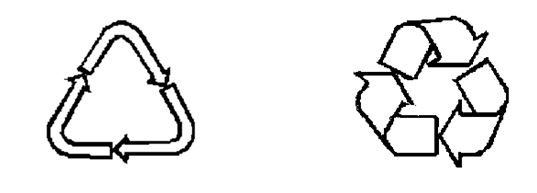
Fig. 2. Possibility of disposal of used packaging
(closures) – Möbius loop".
Annex 5
LIST
of packaging and closures covered by
the Technical Regulation of the Union "On the Safety
of Packaging" (TR CU 005/2011)
Footnote. The Technical Regulation was supplemented with Annex 5 in accordance with Decision of the Council of the Eurasian Economic Commission No. 116 of 17.12.2012 (enters into force upon expiry of 30 calendar days from the date of its official publication).
I. Packaging
1. Metal packaging for food and perfumery and cosmetic
products, products for industrial and household use (aluminium foil*, cans, barrels, flasks, small barrels (kegs), jerrycans, tubes, cylinders, drums), except used packaging.
2. Polymer packaging for food, agricultural and perfumery and cosmetic products, products for industrial and household use, including light industry products and toys (casings, films*, boxes, barrels, drums, jerrycans, flasks, jars, tubes, bottles, vials, bags, sacks, containers, trays, cartons, cups, packaging cases), except used packaging.
3. Paper and cardboard packaging for food, agricultural and perfumery and cosmetic products, products for industrial and household use, including light industry products and toys (cartons, packs, jars, sacks, bags, trays, boxes, including packaging made of parchment, glassine, greaseproof paper, wrapping paper, parchment substitute, and paper for packaging on automatic machines).
4. Glass packaging for food and perfumery and cosmetic products, household chemical goods, paint and varnish materials (bottles, jars, vials, ampoules, large jars).
5. Packaging made of combined materials for food and perfumery and cosmetic products, products for industrial and household use (thermoformed insert trays, packs, sacks, bags, vials, jars, packaging and labelling materials, containers, trays, tubes, cups, cartons).
6. Wooden packaging for food and agricultural products (boxes, barrels, boxes, small barrels, drums, tubs), except used packaging.
7. Packaging made of textile materials for food and non-food products (sacks, bags, containers), except used packaging.
8. Ceramic packaging for food and perfumery and cosmetic products (bottles, jars, barrels, small barrels).
II. Closures
9. Metal closures for closing food and perfumery and cosmetic products (stoppers, lids, caps (including crown-type caps, screw caps and caps with a pouring device), crown corks, die-cut lids, muselets, clips).
10. Cork closures for closing food and perfumery and cosmetic products (stoppers, sealing gaskets, plugs).
11. Polymer closures for closing food and perfumery and cosmetic products, household chemical goods and paint and varnish materials (stoppers, caps, lids, dosing restrictors, flow dividers, sealing gaskets, valves).
12. Combined closures for closing food and perfumery and cosmetic products (stoppers, stopper-lids, caps, lids, sealing gaskets).
13. Cardboard closures for closing food products (lids, die-cut pieces, sealing gaskets).
* Intended for sale in retail trade.


